At Salem's Edge, the Eola-Amity Hills Explain the City's Wine-Country Address
Salem sits in a famous wine valley but beside its own hills: a short drive west, volcanic slopes grow the Pinot noir the Willamette is known for.
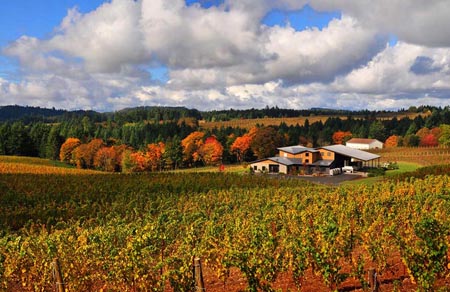
Salem residents live closer to celebrated vineyards than most Oregonians realize. Drive west of town, across the river and into the first folds of the Coast Range foothills, and the land rises into the Eola-Amity Hills — one of the Willamette Valley's recognized winegrowing areas, where vineyards climb volcanic slopes within sight of the state capital's valley floor.
The hills' reputation rests on a particular combination: elevation, thin volcanic soils, and the afternoon wind that funnels through the Van Duzer Corridor from the Pacific. That wind cools grapes at the end of hot summer days, and growers credit it with the freshness in the region's Pinot noir and white wines. Bethel Heights Vineyard, planted in these hills in the 1970s when the modern Oregon wine industry was young, remains one of the names that put the area on the map.
Wine here is not a tasting-room abstraction; it is agriculture with a payroll. Vineyards around Salem employ pruners, tractor drivers, cellar crews and hospitality staff, and the harvest season reshapes local roads and restaurants each fall. Chemeketa's wine studies program in the Eola hills exists precisely because the industry needed trained local workers, not just visitors.
By November, the wine year's visible work is done and its quiet work begins. The harvest is in the cellar, vines drop their leaves and show the architecture of the trellises, and crews turn to pruning plans and winter maintenance. Tasting rooms shift to their contemplative season — fireplaces instead of patios, older vintages poured for smaller rooms of visitors.
For Salem, the hills are also a standing reminder of what the valley floor once was. The city grew up as an agricultural capital — hops, fruit, canneries — before it was a government town. The Eola-Amity vineyards are the current chapter of that older Salem, written in Pinot noir on the slopes west of the river.