Who Pays for the Bus? Following Cherriots From the Fare Box to the Regional Map
Fares are the smallest part of the answer. Salem's transit system runs on a public budget with public trade-offs — here is how to read them.
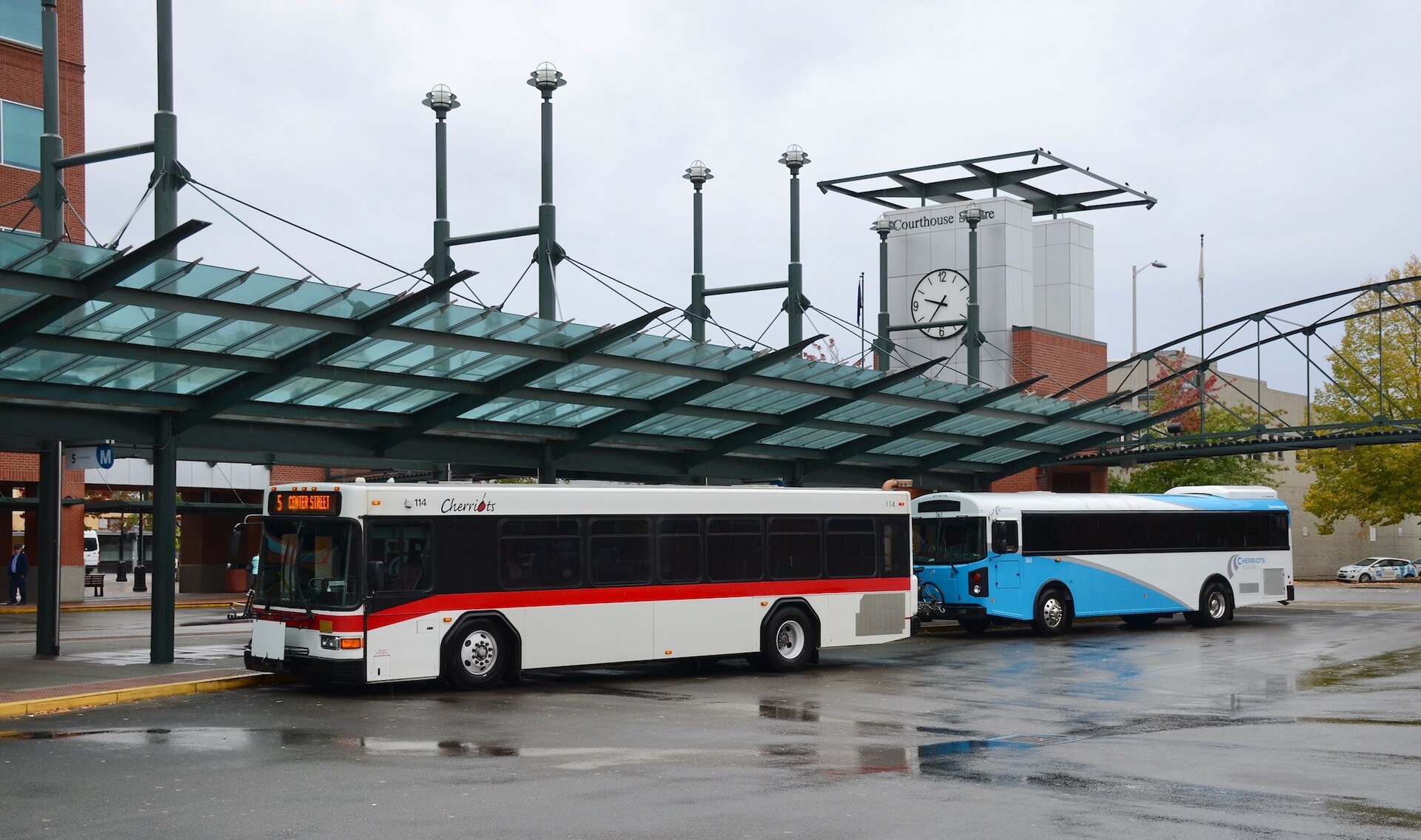
Stand at the downtown Salem transit center at rush hour and Cherriots looks like a simple business: buses arrive, riders board, fares are paid. The budget behind that scene is anything but simple, and the gap between what the fare box collects and what the system costs is not a scandal or a secret — it is the design. Public transit in Salem, as in most American cities, is a public service funded mostly by the public. The interesting questions are which public, through which taxes, and with what say in the result.
Cherriots is the service name of the Salem Area Mass Transit District, an independent local government with its own elected board — not a department of the city of Salem or of Marion County. That distinction matters for accountability: the people who set Cherriots' budget and service levels are transit board members, answerable to voters in the district, and its board meetings and budgets are public documents that any rider can read.
The district's work divides into two systems. Local buses serve Salem and Keizer, where service is densest. Cherriots Regional reaches outward to the smaller communities of Marion and Polk counties — towns like Silverton, Dallas and Mill City, and north toward Wilsonville — where a single bus route can be the only public connection to jobs, medical care and the valley's core. Regional service is thinner by design and by budget, and the tension between urban frequency and rural reach runs through every Cherriots budget debate.
That is the trade-off to watch. Money spent adding evening or Sunday frequency in Salem cannot simultaneously be spent widening regional coverage; money held in reserve cannot do either. When the district weighs those choices, the riders with the least alternatives — shift workers, seniors, people with disabilities who use its paratransit service — are the ones with the most at stake and, often, the fewest voices in the room.
This desk will follow Cherriots the way we follow any public budget: by reading the documents, attending the meetings and translating the jargon. A bus system is a promise a region makes to itself. Our job is to check, in public, whether the promise and the spending still match.