
November Is High-Water Season on the Willamette: Salem's Calm-Weather Checklist
No storm is needed to start the season's homework — gutters, drains, sandbag locations and a healthy respect for a river that rises every winter.
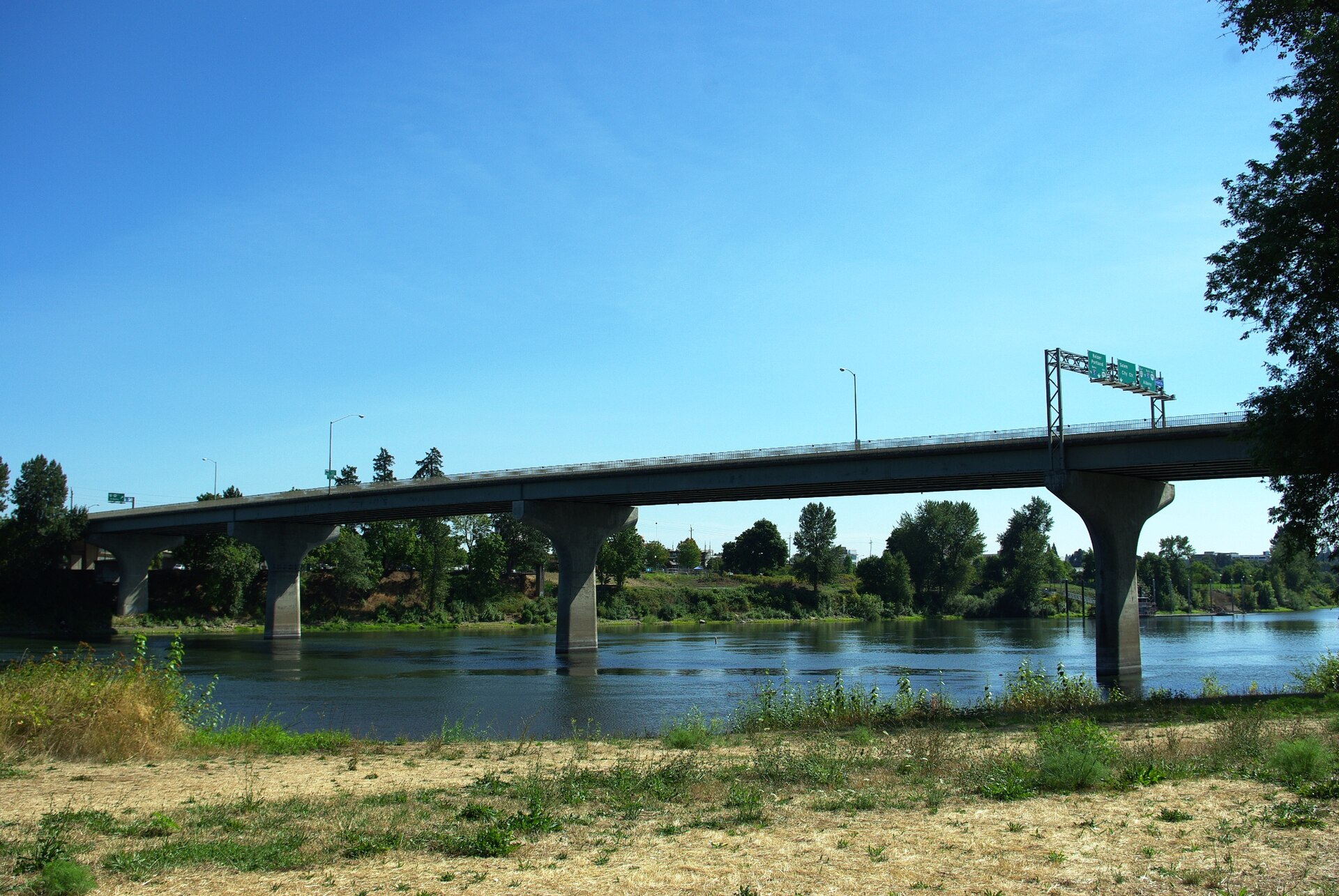
Salem's flood season does not arrive with a single dramatic storm. It accumulates. November is when the Willamette Valley's rains settle in for the winter, soils saturate, creeks like Pringle and Mill run full, and the Willamette River begins the slow rises that residents watch the way farmers watch a thermometer. The time to prepare for high water is on a merely gray day like this one, not on the day the river makes the news.
Start at home, with the unglamorous list. Clear gutters and downspouts so roof water goes where it is supposed to. Know where your storm drains are and keep leaves — November's endless supply — from matting over them; a blocked drain can flood a street faster than a rising creek. If your home has a sump pump, test it now. If your basement or crawlspace has flooded before, move what matters off the floor before it has a reason to matter.
Then learn your ground. Salem's low places are predictable: creek corridors, riverside parks and trails, and the bottoms along the Willamette in West Salem and the Minto-Brown flats, where paths routinely go under in high water and should be treated as closed when they do. Never drive or walk through flooded roadway — the depth and the current are both liars, and the road surface underneath may not exist anymore.
For river watchers, the habits are simple: follow the river gauges and the National Weather Service forecasts for the Willamette at Salem, know the difference between a flood watch and a flood warning, and check Marion County's emergency information when the river is forecast to climb. Sand and sandbag availability is a county and city question to answer before you need them, not during.
None of this is alarm; it is the valley's ordinary winter literacy. Salem has lived with this river for its entire history. The residents who fare best in high-water years are rarely the ones with the most equipment — they are the ones who did the boring chores in November.